
What 'Turnaround' Really Means When a Crew Goes to the Scene
Rachel Osei
5 min read
A plain explanation of turnaround, the trade word every newsroom uses, and what it actually covers when a camera operator is sent to a developing story for same-day broadcast.
A word that hides three different clocks
Ask three people in a newsroom what turnaround means and you may get three answers. For an editor it is the time between a story being assigned and a finished package landing in the gallery. For a camera operator it is the time between the call and the first usable frame. For a producer it is whatever the next bulletin allows. None of them is wrong, which is exactly why the word causes trouble.
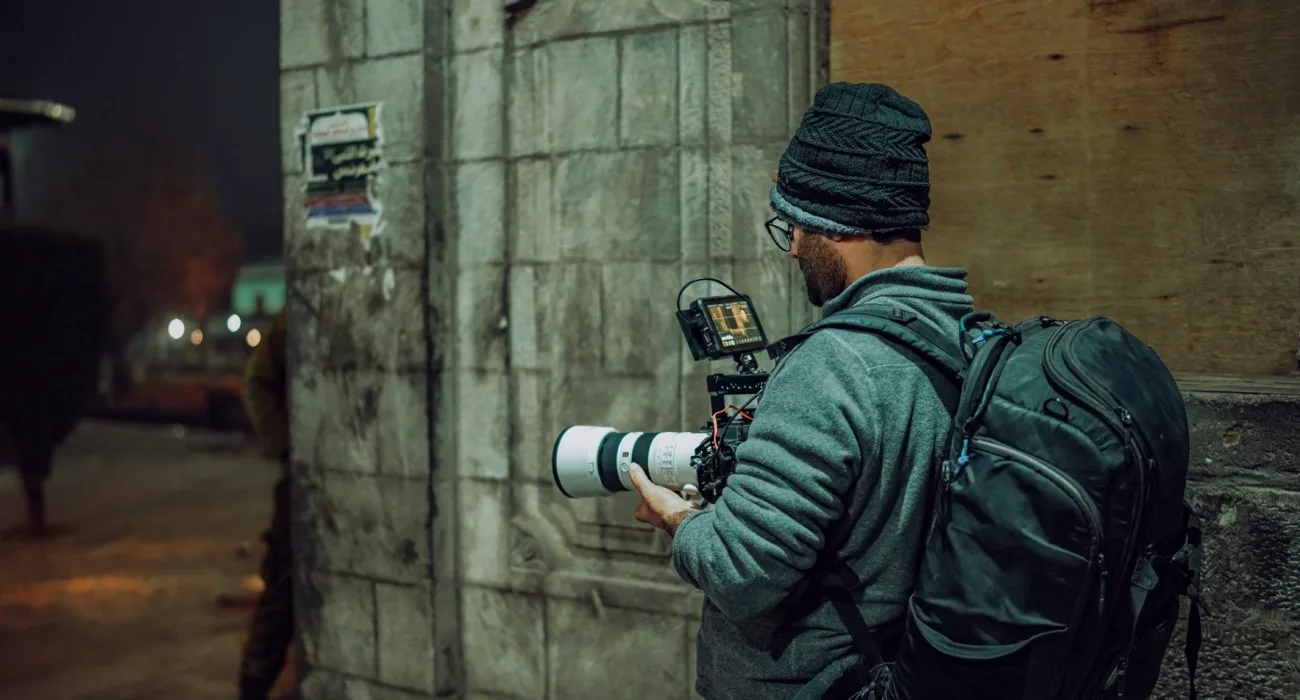
When we send a Breaking News Crew to a scene, we try to separate those clocks before anyone leaves the building. The first clock runs from the phone call to arrival. The second runs from arrival to the last shot recorded. The third runs from the card leaving the camera to the file being ready to air. Naming them keeps expectations honest on both sides.
- Dispatch time: call received to crew on the road
- On-scene time: arrival to last usable shot
- Handover time: footage off the camera to delivered file
Why arrival is not the same as being ready
A crew pulling up outside a developing story has not yet started the clock that matters. Before a frame is useful, the operator walks the ground, checks where the light falls, finds a safe position and agrees with the reporter what the story is. That might take ten minutes, and it is time well spent, because a rushed first shot is often a shot nobody can use.
Tom Whitcombe, who covers most of our breaking work, treats those first minutes as part of the job rather than a delay to it. A quick look at where people are standing, which way the wind carries sound and where the nearest power or shelter sits saves far more time later than it costs at the start.
What 'same-day' actually asks of a crew
Same-day broadcast sounds simple, yet it quietly sets the whole shape of a shoot. If a story must air that evening, the crew works backwards from the transmission slot. Travel, shooting, the drive or upload back, ingest and a quick edit all have to fit before it. That sets how long the operator can stay on location and how much material is worth gathering.
This is why we ask newsrooms for the latest time they can accept a file, not just a general wish for speed. A firm deadline lets us decide whether to stay for one more interview or leave for the edit suite. Without it, we tend to over-shoot, and surplus footage is itself a cost to turnaround.
- Give the final acceptable delivery time
- Say which bulletin the story is aimed at
- Mention any format or caption requirements
Rushes, selects and the cost of too much footage
Two more trade words belong here. Rushes are the raw recordings straight from the camera, unedited and unchecked. Selects are the best moments an editor pulls out to build the story. The gap between them is where time quietly disappears. An hour of rushes can take close to an hour to review, even before a single cut is made.
A good operator shoots with the selects in mind. That means holding a steady shot long enough to be useful, getting a clear wide, a medium and a close detail, and recording a few seconds of clean natural sound. It does not mean recording everything. Disciplined shooting hands the editor material that can be assembled quickly instead of searched.
Reporter-ready kit and why it shortens the wait
The phrase reporter-ready describes the kit as much as the crew. It means the camera, tripod, microphones and lighting are packed so a reporter can step in front of the lens within minutes of arriving. Radio mic batteries are charged, cards are formatted and a spare of the awkward items travels in the same bag.
Rachel's own work in the studio has taught me how much a few small checks matter. A lead that fails or a battery that dies mid-answer costs more minutes than any amount of careful planning saves. We carry duplicates of the cheap, fragile things so that a single fault never becomes a missed slot.
- Spare batteries and formatted cards
- A second microphone on every shoot
- Weather cover for kit as well as crew
Using the word well in your own newsroom
The practical lesson is to say which turnaround you mean. When a producer asks for a fast turnaround, a short follow-up question helps: fast to arrive, fast to shoot or fast to deliver. The answer changes how a crew is briefed and how many people are needed.
Autumn adds its own pressure. Light fades early in these weeks, so an afternoon story may be shot in dusk by the end of the job. We plan lighting and shooting order with that in mind. Agreeing the clock at the start is the cheapest way we know to make a quick job also a calm one.
Turnaround is not one number but a chain of short intervals, and the weakest link sets the pace. Name each interval, share the real deadline and let the crew plan backwards from air. That small habit does more for speed than asking anyone to work faster, and it keeps the footage clean enough to use.