
What Live Link Support Costs and What Moves the Price
Priya Nair
6 min read
A plain breakdown of how live link work is priced for newsrooms: what a standard day includes, which choices raise the bill, and what to settle with us before the van leaves.
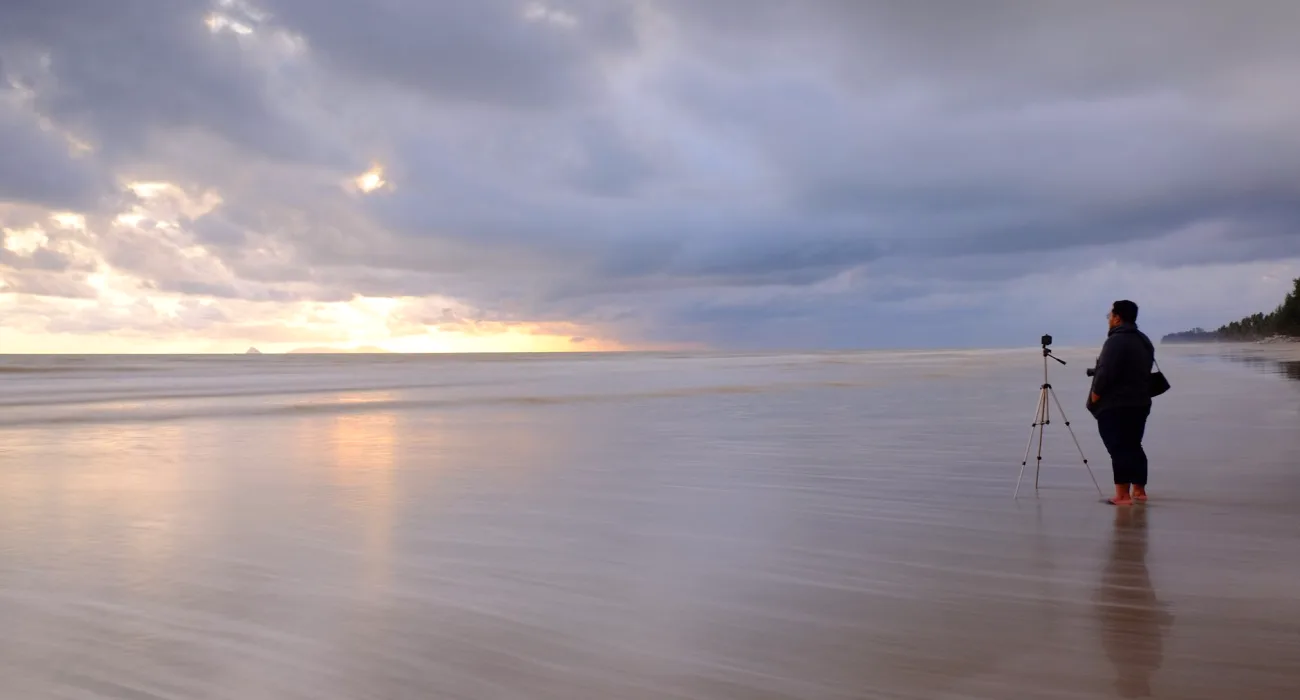
Start with what a live link actually involves
When a gallery asks for a live link, it is easy to picture one camera and a reporter. In practice the job has several parts, and each of them is something we plan and charge for in some form. There is the camera and its operator, the signal path that carries pictures from the location back to your gallery, the power and audio, and the time spent getting everything working before you go to air.
I edit most of what we deliver, so I see the other end of this work: the moment a feed arrives and either looks clean or does not. A tidy setup on location saves far more time in the gallery than any later fix. That is why we price the setup as seriously as the transmission itself.
Understanding these parts makes a quotation easy to read. Nothing in it should be a surprise, and each line should map to something you can picture happening at the scene.
- Camera and operator on location
- Signal setup and return path to your gallery
- Audio, power and monitoring at the scene
- Rigging time before the first cue
The standard booking and what it covers
A standard live link booking is a half or full day with one operator and a camera kit suited to the location. The price covers travel from Cambridge within a sensible radius, arrival ahead of your first cue, setup, the transmission window you have agreed, and de-rigging afterwards. We confirm the figure in writing before the day, so you know what you are approving.
The reporter-ready kit is included: tripod, lighting appropriate to the time of day, microphones and a monitor so the on-air person can check their shot. We do not charge separately for small consumables or cabling that belong to every job.
What the standard booking does not include is anything that changes the shape of the work, such as a second camera angle, an overnight stay or a long wait on standby. Those are discussed up front and priced as additions, never added quietly afterwards.
What pushes the price up
Several choices move the cost, and most of them are about time and difficulty rather than equipment for its own sake. A remote or hard-to-reach site means longer travel and more rigging. A location with poor connectivity needs a more involved signal solution, which takes more kit and more testing before we are confident it will hold.
Duration matters too. A single ten-minute hit during a morning programme is a different commitment from a stop-start day with several slots. Extra camera positions, a second operator, or a requirement for lighting at night all add working hours and resources, and the quotation reflects that honestly.
Short notice also has a real cost. If we have to rearrange a crew and prepare kit at speed, that effort is part of the figure. We would rather say so plainly than hide it in a vague day rate.
- Remote sites and long travel
- Weak connectivity needing a heavier signal setup
- Longer or split transmission windows
- Extra cameras, a second operator or night lighting
- Very short notice
What can keep it lower
There is plenty a newsroom can do to keep a live link affordable without losing quality. Telling us the exact location early lets us check access, power and signal ahead of time, which cuts the rigging hours on the day. Fixing your transmission slots as tightly as you can reduces how long the crew is committed.
Booking a recurring live position, for instance a regular spot outside a venue you cover often, lets us refine the setup once and repeat it. The second visit is usually quicker and calmer than the first, and the quotation can reflect that.
Clear decisions on who approves the shot, who is on the return line and what the fallback is if the signal drops also save time. Every question answered before the day is one less delay while the clock runs.
How a quotation is built and agreed
The process is simple. You send an enquiry through the contact page with the location, the date, the slot or slots you need and anything unusual about the site. We reply with a written quotation that sets out what is included, what could change the figure, and the terms for cancelling.
Once you confirm in writing, we plan the job and, after the work, send an invoice that you settle by bank transfer. There is no online checkout and no card payment on the site; everything is handled by conversation and paperwork, which suits a job where details matter.
If the brief changes after you have confirmed, say so as soon as you can. We will tell you what the change does to the price before we act on it, so the final invoice matches what you expected to pay.
Questions worth settling before you book
A few questions are worth answering before any money is discussed. How long do you really need to be live, and is there flexibility on the slot? Is the location open and reachable, and is there power nearby? Who will be the reporter on screen, and do they need an earpiece and a monitor?
Think also about what happens if a story moves. Live work follows events, and a plan that allows for a changed position or a delayed start is easier to deliver and cheaper to adjust than one that assumes everything stays still.
None of this needs to be perfect. A short, honest description of the job is enough for us to ask the right follow-up questions and give you a figure you can rely on.
- Realistic length of the live window
- Access, power and signal at the location
- On-screen reporter and talkback needs
- What the plan is if the story moves
The cost of a live link comes down to time, distance, difficulty and notice, not to a mysterious rate. Tell us where you need to be and for how long, and we will put a clear figure in writing before anything is booked. If the details change, we will say what that does to the price. You decide with the facts in front of you, and the crew arrives with the work already planned.