
The Kit We Pack Before a Breaking News Crew Leaves
Priya Nair
6 min read
A look at the cameras, audio, lighting and power we load for a same-day shoot, and why each item earns its place in the bag before the van leaves Cambridge.
Why the bag is packed the same way every time
When a call comes in during these darker autumn weeks, nobody has time to debate what goes in the van. Our crews load from a fixed checklist, and the checklist has changed very little in years because the problems on a street corner at dusk change very little. A camera, a tripod, a sound kit, a small light, spare power and a way to move files: that is the core, and everything else is judged against it.
I edit the footage these crews bring back, so I see the cost of a missing item long before anyone else does. A clip with wind noise across the reporter's voice, or a shot that drifts from daylight to orange streetlight with no way to correct it, is a clip that takes longer to prepare for air. Packing well is the first edit.
The kit is also arranged so one person can carry it. A breaking news crew is often a camera operator working alone with a reporter, so weight and order matter as much as specification.
Camera and lenses chosen for handheld speed
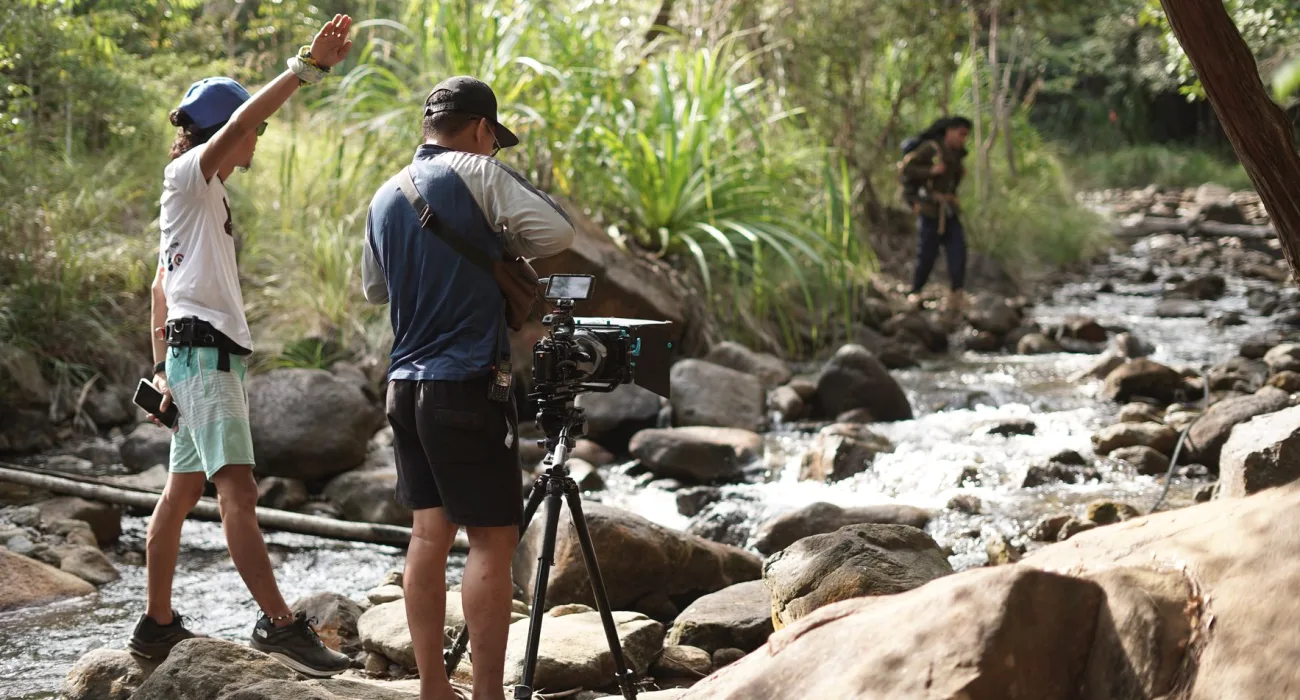
Our crews work with a shoulder-mounted broadcast camera for most breaking assignments. It sits steadily against the body, which helps Tom Whitcombe and the other operators hold a frame while walking beside a developing scene. A zoom lens covering wide establishing shots through to tight faces means no lens changes while events move on.
We also carry a smaller secondary camera. It is not there to replace the main one but to cover a second angle, a fixed shot of a building entrance, or a position where a full rig would draw attention or block a path.
Every card is formatted and every battery checked before departure. We record at the settings the broadcaster's specification asks for, so the files arrive in the edit suite without conversion. That small discipline saves minutes that matter when a bulletin slot is close.
- Shoulder camera with a wide-to-tele zoom
- Compact second camera for extra angles
- Formatted cards and checked batteries
Sound: the part viewers forgive least
Viewers will tolerate a slightly soft picture of a fast-moving event, but they switch off at muffled or distorted speech. For that reason audio gets as much room in the case as the camera. We carry a handheld microphone for reporter pieces, a wireless lavalier for stand-ups and interviews, and a short directional microphone for ambient sound.
Wind is the usual enemy on location, particularly on open ground near the fens in mid autumn. Every microphone has a foam or furry cover, and we monitor on closed headphones rather than trusting the camera's meter alone.
Recording clean natural sound matters to me as an editor too. A few seconds of crowd, traffic or rain, captured separately, lets me smooth a cut that would otherwise jump. It costs the operator ten seconds on site and saves a noticeable amount of repair later.
Light for dusk, doorways and dark streets
Autumn afternoons lose usable daylight early, and many breaking stories land just as the light fades. A compact, battery-powered LED panel with adjustable colour temperature is the light that goes out on almost every assignment. It lifts a reporter's face against a dim background without turning the scene into a studio.
We use it sparingly. The aim is to match what the eye sees, not to flatten a location. Often a panel held close and dimmed does more than a bright one placed far away, and a small diffuser keeps the result looking natural.
Rachel Osei, who designs our studio lighting, helped shape the portable set. Her advice was to keep the choices few and repeatable, so an operator under pressure is never improvising with unfamiliar equipment.
- Battery LED panel with adjustable colour
- Small diffuser and a spare clip-on light
Power, storage and getting files moving
Footage is only useful once it reaches the gallery. Each crew carries enough batteries for a full day of recording plus a margin, a portable charger for the smaller devices, and duplicated storage so no clip exists on a single card.
Where a signal allows, operators send selected clips back over a mobile data connection while they keep shooting. A rough, short version arriving early gives the newsroom something to plan around, and the full-quality files follow on return or by wired transfer.
I would rather receive a clearly labelled card than a perfect one with no notes. Operators write a short shot list as they go, naming the speaker, the place and anything said that needs checking. It takes a minute, and it means I am cutting from facts rather than guesses.
- Spare batteries beyond the expected day
- Two copies of every clip before leaving site
- Short written shot list handed over with files
Small items that rarely make the brochure
Some of the most used items are dull. Gaffer tape, spare cable ties, a lens cloth, weatherproof covers for the camera, a folding stool, a torch and a phone charger sit near the top of the bag. A sudden shower with no rain cover can end a shoot early, and a loose cable can ruin a take.
We also carry printed contact details for the desk and a small card explaining who the crew is, for moments when someone on site asks. These are not technical choices, but they keep a crew calm and on task.
None of this is clever. The method we rely on is repetition: the same kit, in the same order, checked the same way, so attention goes to the story instead of the equipment.
Good breaking news footage begins well before anyone presses record. It starts with a bag that is packed the same way each time, with sound and light treated as seriously as the camera, and with power and storage that never leave a clip exposed. These choices are plain, but they let the crew concentrate on the scene and give the edit suite clean material to work with, which is what shortens the road from event to broadcast.