
One Tuesday call, one crew on site, and a story on air by evening
Daniel Hartley
5 min read
A short account of how a breaking news crew was sent to a flooded road for a regional desk, and what the producer, Marcus, needed from us to broadcast the same day.
The call that came in mid morning
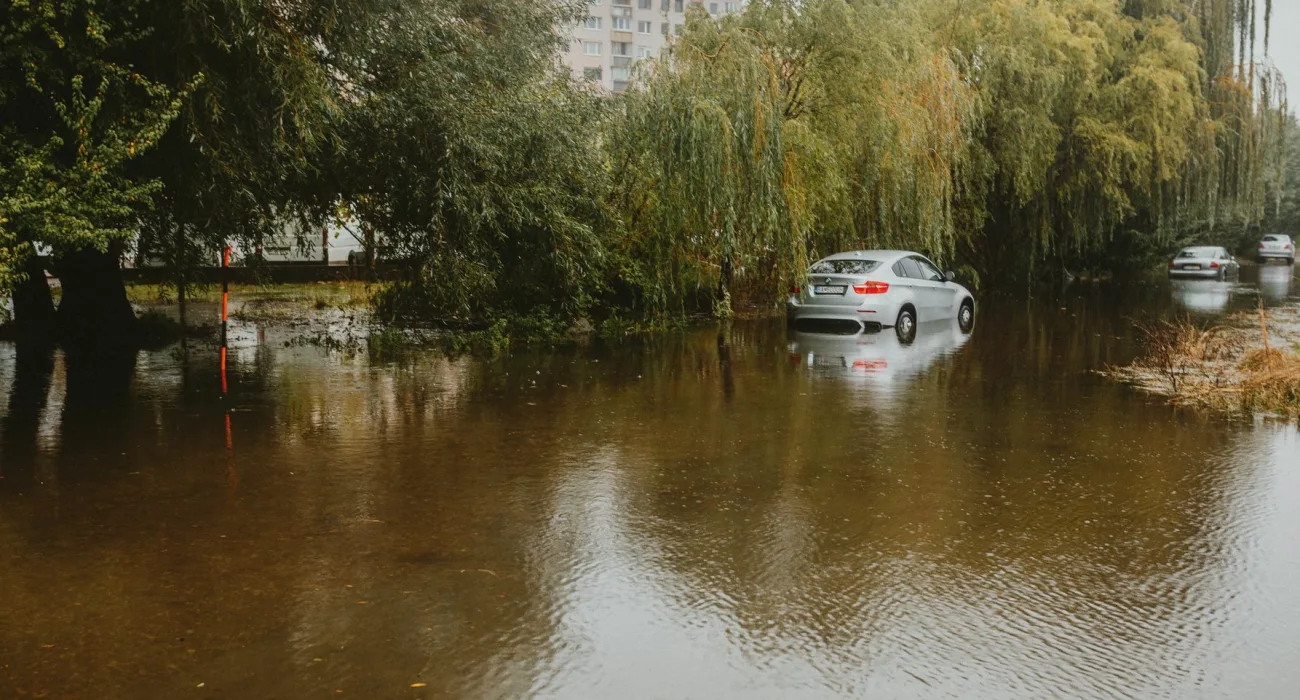
Marcus produces the lunchtime and early evening bulletins for a regional news desk, and he rang us on a grey weekday in these first weeks of autumn. A river had come over a low road on the edge of a market town, a bus had turned back, and his only picture so far was a blurred phone clip from a viewer. He wanted a camera on the spot, a reporter-ready kit, and something he could put to air before the evening bulletin.
I took the call myself. The first questions are always the same: where exactly, who is already there, and when does he need pictures in the building. Marcus had a postcode, a name for the farm gate where people were gathering, and a hard deadline. That was enough to book a crew without waiting for a written brief, and we confirmed in writing afterwards.
Who we sent and what went in the car
Tom Whitcombe took the job. He is our senior camera operator, and wet, low, flat autumn light is exactly where handheld experience pays off. He loaded the broadcast camera, a spare battery set, a shotgun microphone, a lavalier for the reporter, a small on-camera light and waterproof covers for everything, including himself.
Marcus's own reporter would join him on site, so the kit was packed for someone who might arrive with nothing but a notebook. That meant a clean audio feed, a second microphone, a handheld lamp and a card reader in the bag so rushes could be copied before leaving. The point of a breaking news crew is that the reporter can step out of a car and start working without waiting for equipment to be explained.
- Broadcast camera with spare batteries and cards
- Shotgun microphone plus a lavalier for the reporter
- Small on-camera light for the grey afternoon
- Waterproof covers and a card reader for safe copies
On the road: shooting before the reporter arrives
Tom reached the site before the reporter and used the gap to gather what a package needs in the cutting room. He shot a wide establishing view from the edge of the water, a medium of the road sign half submerged, close detail of a car slowly turning round, and a long cutaway of the current moving across the tarmac. Every frame was held for at least ten seconds, because an editor can always shorten a shot but cannot lengthen one.
He also noted the details that make footage usable under time pressure: the name on the road sign, the time of the first shots, and which way he was facing. Those notes travelled with the cards. When the reporter walked into the scene, the pictures were already there, and her stand-up could be framed against a background that matched what viewers had been told over the phone.
Talking to people at the water's edge
Marcus's reporter spoke to two residents and a farmer whose track had been cut off. Tom kept the camera at eye height, stood slightly to one side of the reporter, and let each person finish a sentence before moving. Handheld work in a small crowd needs patience more than speed, and a guest who feels watched tends to give shorter answers.
He recorded about a minute of clean background sound after each interview, the water and the passing traffic, so the editor would have something to lay under cutaways. He confirmed names and spellings on camera, not from memory. When a farmer asked whether the clip would be used, Tom told him it was for the evening bulletin and that the producer would decide. Nothing more was promised, and nothing was said that the desk had not agreed.
Getting it to the desk before the deadline
By early afternoon the cards were copied twice, once to a drive in the car and once uploaded from a phone hotspot in a lay-by. Priya Nair, our lead video editor, had the rough cut open in the edit suite while Tom was still driving back. She trimmed the package to the length Marcus asked for, added captions for the residents, and checked the audio levels against his desk's specification.
Marcus watched one version, asked for a shorter ending and a different opening shot, and Priya turned it round within the hour. The file went to his server in the format his gallery uses, with a clean version without captions beside it. It aired in the early evening bulletin. We sent the invoice afterwards, as agreed in the written confirmation, rather than anything being charged on the day.
- Cards copied twice before leaving the scene
- Rough cut started while the crew was still travelling
- Captioned and clean versions delivered in the desk's format
What I took from the afternoon
Looking back, the success came less from the equipment than from three small agreements made early: where the crew would stand, who the reporter would be, and what finished file the desk expected. When those are settled in the first phone call, nobody spends the afternoon guessing.
Marcus later told me the part he valued most was that the first footage reached him while his own reporter was still on the road. That is what we try to offer with a breaking news crew: pictures that exist before the story has finished changing. I would take the same approach on any developing story, whether the weather is wet or not.
A breaking news crew is only useful if it arrives with the right kit, shoots with the edit in mind and hands over files the desk can air without rework. That Tuesday on a flooded road showed all three in a small way. If your newsroom has a developing story and needs a camera operator on the scene, the next step is a call to explain where, when and what you need on air.