
Getting Your Newsroom Workflow Ready for the Darker Months
Daniel Hartley
6 min read
Shorter days, wet pavements and a crowded autumn diary put pressure on ingest and sign-off. Here is how to organise shoots and approvals now so stories still reach air quickly.
Why mid autumn tests a newsroom's routine
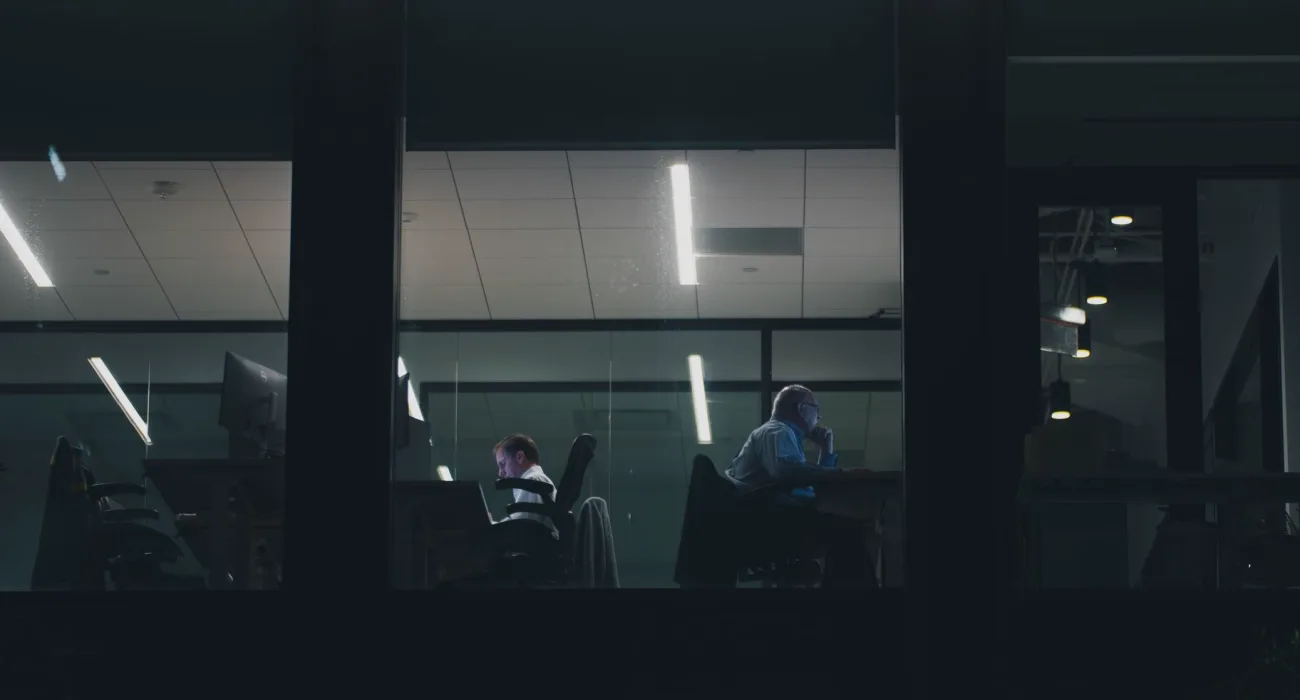
Every year, around now, the same pattern appears. Light fades before the early evening bulletin, rain turns outdoor locations into awkward places to work, and the news diary fills with budgets, party conferences' aftermath, local council decisions and the first weather warnings. Systems that coped comfortably in July start to creak, and the creaks nearly always show up in the same places: how a shoot is requested, how footage arrives, and who has to approve it.
I have spent a long time in and around galleries, and my view is that most delays are not caused by slow cameras or slow editors. They come from small, unplanned handovers. A producer rings a crew, the crew asks questions that were never written down, the footage lands in a folder nobody was told about, and somebody waits for a sign-off that nobody knew was theirs to give. Autumn simply makes each of those gaps more expensive.
Brief the shoot before the crew leaves
The cheapest minute you can save is the one spent at the start. A shoot brief does not need to be long, but it should answer the same few questions every time: what the story is, what shot or interview is essential, who is on location to speak, what the deadline for air is, and who in the newsroom holds the final say. When these answers travel with the crew, the operator can make sensible decisions on the spot instead of ringing back from a wet car park.
In the darker months, add two practical lines. First, state the likely light at the time of filming, so the operator packs the right lamps and a spare battery. Second, name a fallback location indoors, such as a foyer or a covered doorway, in case the weather turns. Those two sentences cost nothing to write and regularly rescue a package that would otherwise arrive late or unusable.
- Story in one sentence and the one shot you cannot do without
- Named contact on location and named approver in the newsroom
- Air deadline and the delivery format the gallery expects
- Expected light, weather and a covered fallback position
Make ingest boring on purpose
Ingest should be the least exciting part of your day. If anyone on the desk has to ask where the footage went, the process is not yet good enough. Agree a single place for incoming material, a plain naming habit that carries the date, the story slug and the camera, and a rule that nothing is renamed after it arrives. It sounds fussy, but a clear name saves the editor hunting through unlabelled clips when the bulletin is minutes away.
Autumn adds one more reason to be strict. When several crews are out at once on weather stories, clips from different locations look alike on a timeline, especially grey skies and wet streets. Tag the best takes at the point of shooting, and have the operator send a short note listing them. That note lets the editor start on the strongest material while the rest of the card is still copying across.
- One agreed landing folder, never a personal drive
- A fixed naming pattern: date, slug, camera, take
- A short operator note flagging the best clips
Shorten the approval chain
Approvals are where good stories go to wait. Look honestly at how many people see a piece before it airs and ask what each one actually checks. Often three people are reading for the same thing, and nobody is reading for something important such as caption spelling or the accuracy of a name on screen. Give each approver one job, write it down, and let the others step back. The package gets sooner to air and is checked better, not worse.
Plan for cover as well. October brings half-term, illness and leave, and an approval that depends on one person's inbox will stall the moment that person is away. Name a deputy for every sign-off, and agree what counts as a quick yes for routine items versus what needs a proper second look. A calm, written rule at 9 am prevents an argument at 5.40 pm.
Prepare for the weeks of early darkness
Looking ahead, the evening bulletin will increasingly be fed by material shot in poor light, so decide in advance what quality you will accept. Footage taken in low light and rain can be perfectly broadcastable if the operator is allowed time to set up and the reporter is positioned under a usable source. It is rarely broadcastable if the crew arrives late and is told to hurry. Build a little earlier arrival into the plan for any story you expect to air after dusk.
Check your kit routine too. Spare batteries drain faster in the cold, lenses mist, and cables that behaved all summer begin to fail at the connector. A short weekly check, done by the same person on the same day, finds these faults on a quiet afternoon instead of in the middle of a breaking story.
- Earlier call times for anything airing after dusk
- Weekly kit check: batteries, lens cloths, cables, cards
- Rain covers and a dry place to stand the reporter
A simple review to run before the end of the year
Pick three recent stories, one that aired smoothly, one that ran late and one that was changed at the last minute. For each, trace the path from the first phone call to transmission and note every point where someone waited. You will usually find the same two or three bottlenecks recurring, and fixing those is worth more than any new piece of equipment.
Keep the review short and keep it factual. Write down what happened, who was affected and the smallest change that would have prevented it. Then try that change for a fortnight before adding another. Workflows improve through modest, repeated adjustments that people actually follow, not through grand redesigns that look tidy on paper and are ignored by the second week.
The darker months reward newsrooms that have already decided how a shoot is briefed, where footage lands and who approves what. None of it is complicated, and most of it can be agreed in a single meeting. Start with the brief, make ingest dull, give each approver one clear job, and review a few real stories as the season turns. If you would like a second pair of eyes on your own routine, get in touch through the contact page.